
Plastic Waste conversion
Portable Plastic Waste Conversion
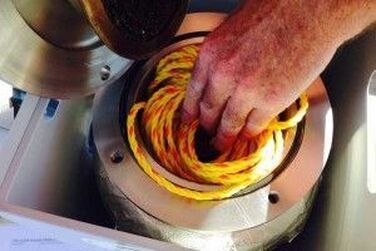
Plastic pollution is a global problem, but many communities lack practical ways to manage the waste they already have. In remote and underserved areas especially, transporting plastic long distances for conventional recycling can be costly or simply unrealistic.
Clean Oceans International is working to advance Portable Plastic Waste Conversion (PPWC),
small-scale technology designed to process certain types of plastic waste locally and convert them into usable products.
An Interim Solution to a Growing Problem
Reducing unnecessary plastic production and consumption, along with our dependence on fossil fuels, is essential to addressing plastic pollution. But we also need solutions for the enormous amount of plastic waste that already exists and will continue to accumulate during that transition.
Under current policies, global plastic waste is projected to
almost triple by 2060.
COI sees PPWC as a potential interim solution, creating an incentive to collect and process plastic waste rather than allowing it to accumulate in landfills, communities, waterways, and the ocean.
The idea is simple: what if plastic waste could be managed closer to where it is collected?
Small-scale conversion technology could provide communities with another option for managing difficult-to-recycle plastics, while creating something useful from materials that might otherwise have little value.
Advancing PPWC at Oregon State University
An important part of COI's work is taking place at Oregon State University,
where COI Board Member Dr. Willie “Skip” Rochefort
is working to advance small-scale plastic waste conversion technology.
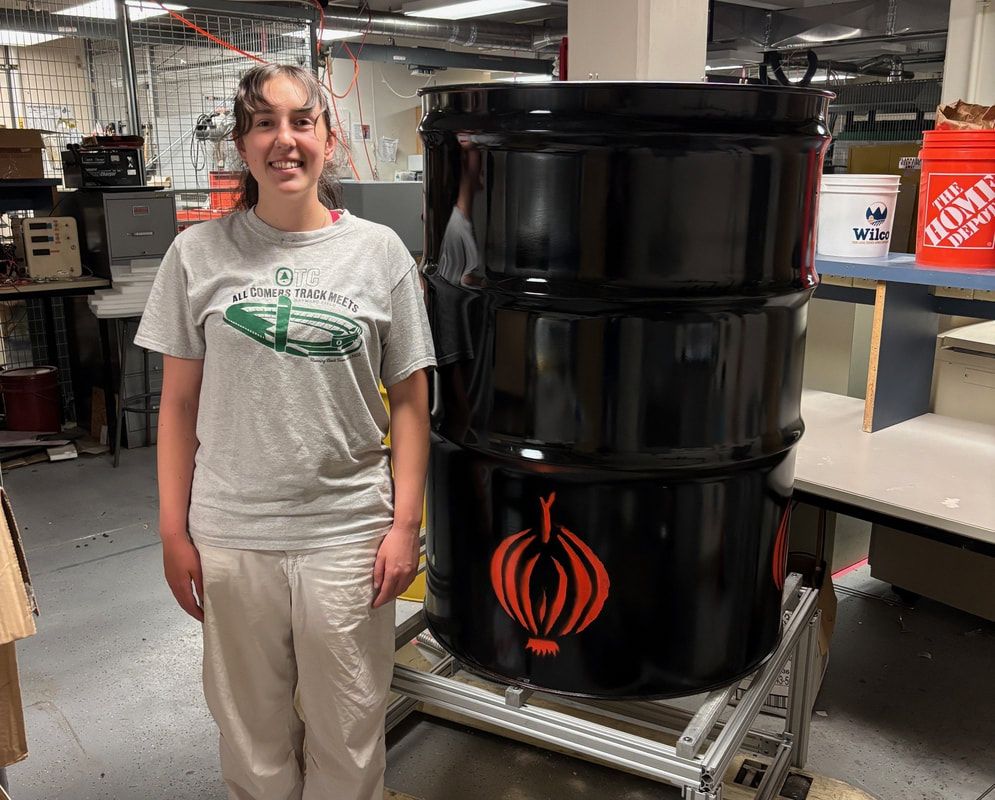
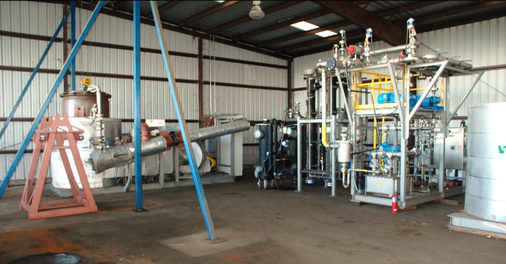
One focus of this work is a prototype known as the “Onionator,”
designed to explore the conversion of agricultural plastic waste, including high-density polyethylene (HDPE) drip irrigation tubing used by onion growers.
Agricultural plastics present a particularly difficult waste-management challenge. They can be contaminated, cumbersome to transport, and difficult to recycle through conventional systems. Research involving the Onionator is exploring whether these materials can be processed closer to where the waste is generated and converted into usable fuel products.
This work supports COI's long-term goal of developing safe, practical, small-scale plastic waste conversion systems for communities where conventional recycling is limited or unavailable.
Exploring PPWC with PDO Technologies
COI has been exploring plastic waste conversion for more than a decade. In 2021, COI began collaborating with
PDO Technologies,
founded by Kevin DeWhitt, to explore the potential for smaller, portable plastic waste conversion systems.
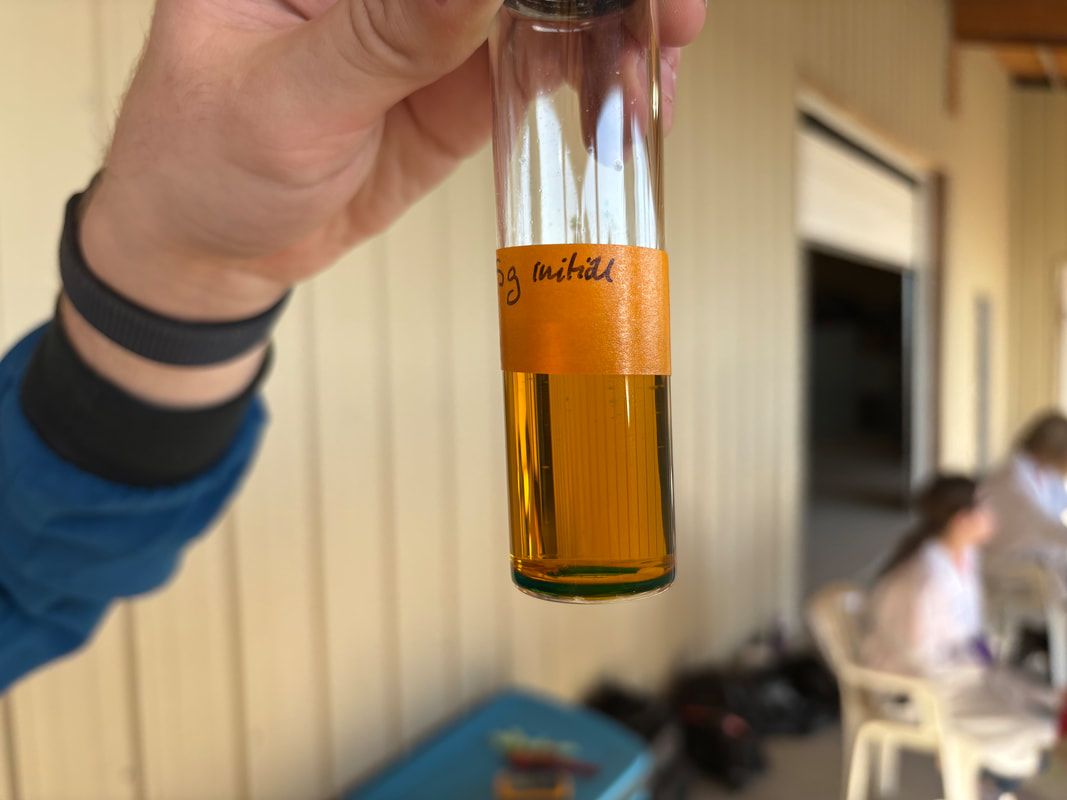
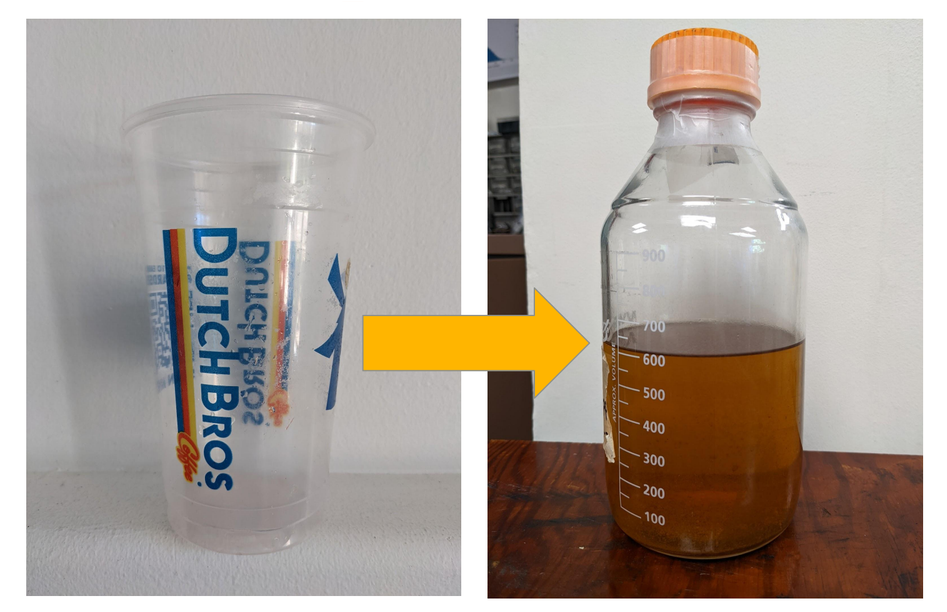
PDO has developed pyrolysis technology designed to convert certain types of plastic waste into usable fuel products, offering another approach to managing plastic waste locally.
[Learn more about pyrolysis and PDO's technology in our FAQs.]
A Vision More Than a Decade in the Making
In 2015, COI presented the concept of Portable Plastic Waste Conversion at a TEDx event in New York City, discussing how small-scale conversion technology might help address plastic pollution at sea and in remote communities. That vision continues to guide our work today.
Watch COI's 2015 TEDx Talk
Looking Ahead
There is no single solution to plastic pollution. Reducing plastic production and consumption, improving waste-management systems, expanding reuse and recycling, and removing plastic already in the environment are all important parts of the solution.
COI's long-term vision is to make small-scale plastic waste conversion a practical option for communities where conventional recycling is limited or unavailable.
Through continued research and development, we hope to better understand how PPWC systems can be adapted to different waste streams and local needs, from agricultural operations to remote island communities.
Our goal is to help communities manage plastic waste closer to its source, reduce the amount entering the environment, and create value from materials that would otherwise remain a persistent source of pollution.